
Abstract
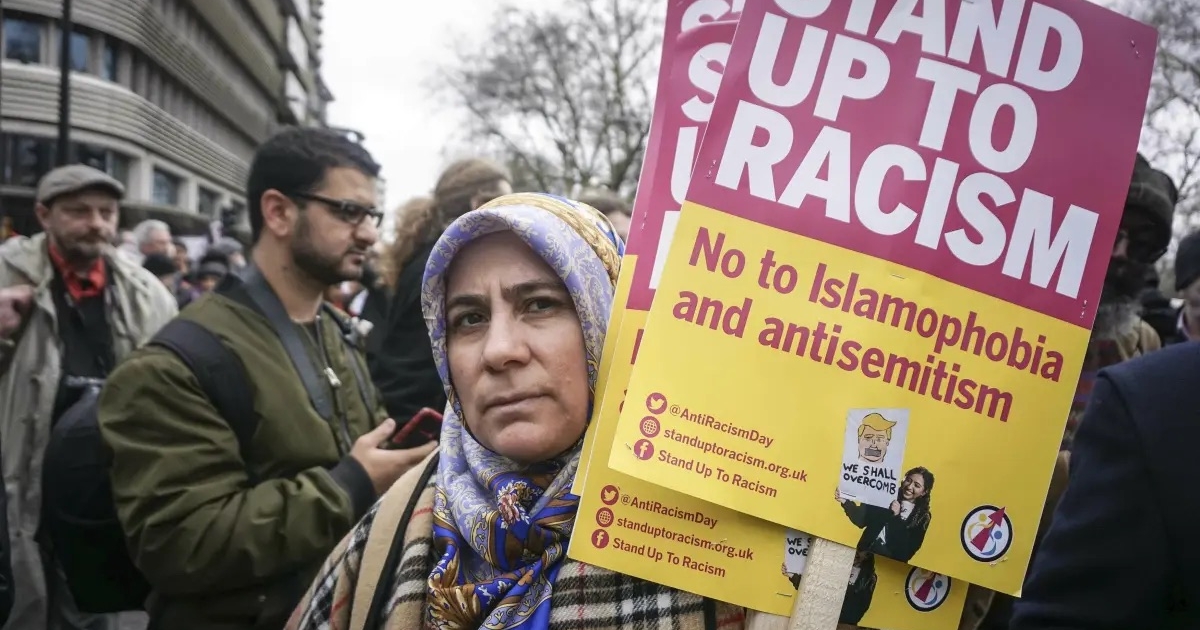
Can social movements help reduce Islamophobia? Although protests and mass demonstrations are often associated with periods of rapid social and political transformation, we remain uncertain whether they cause change or simply reflect underlying shifts that both give rise to them and the changes they demand as well. Building on scholarship on “leading from below,” we test whether exposure to mass demonstration can meaningfully shift an observer’s attitudes and behaviors. We argue that when large crowds publicly endorse messages of compassion and unity, they can signal local opposition to Islamophobia in ways that ameliorate Islamophobic attitudes and make their expression less likely. We apply for funding to conduct a pre-registered survey experiment in India, long marked by tensions between Hindus and Muslims. We will randomly assign participants to either a control group, a treatment arm calling for intergroup tolerance, or versions of that appeal embedded in videos of a mass movement promulgating that message. We then measure how the call for compassion affects attitudes and willingness to participate in intergroup violence. This study has major implications for civic campaigns and NGOs. Interventions that demonstrate visible public support for inclusion may more effectively shift entrenched negative attitudes toward Muslims than top-down messaging alone.
