Fall 2025
Compassion-Driven Interventions for Reducing Intergroup Animosity: Toward Lasting Change
Team: Je Hoon Che, Tim Groeling, PhD
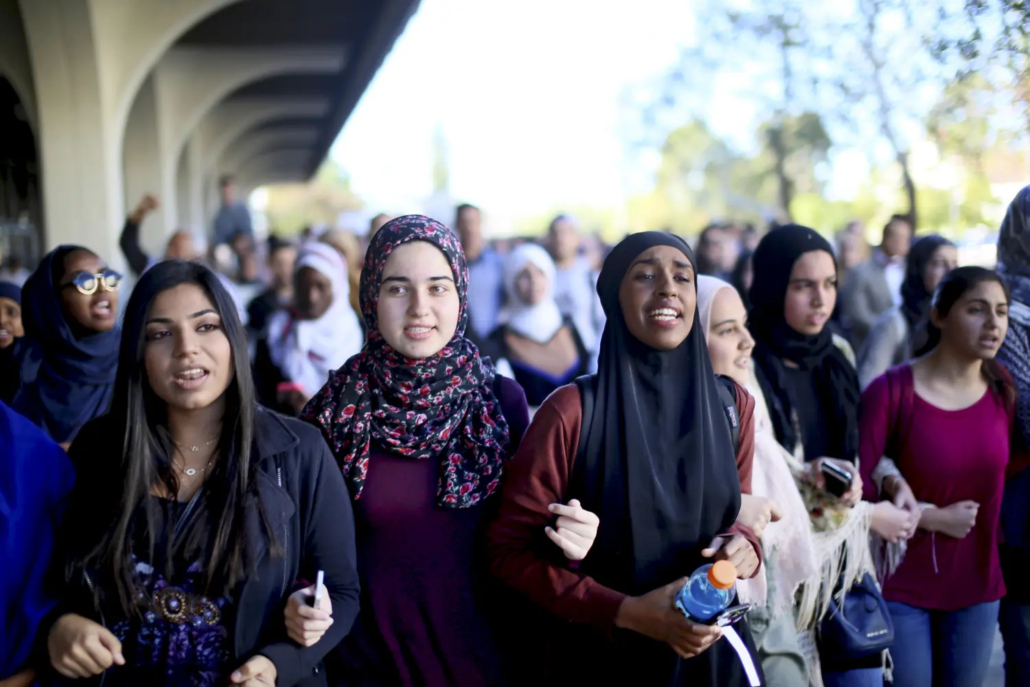
This study pilots a compassion-driven intervention to reduce intergroup animosity and increase feelings of empathy toward Jewish, Muslim, and Hispanic communities in the United States and tests its effectiveness and durability.
Antisemitism and Its Absence in the Early Twentieth-Century American Southwest 2025-26
Team: Eleanor Kaufman, PhD
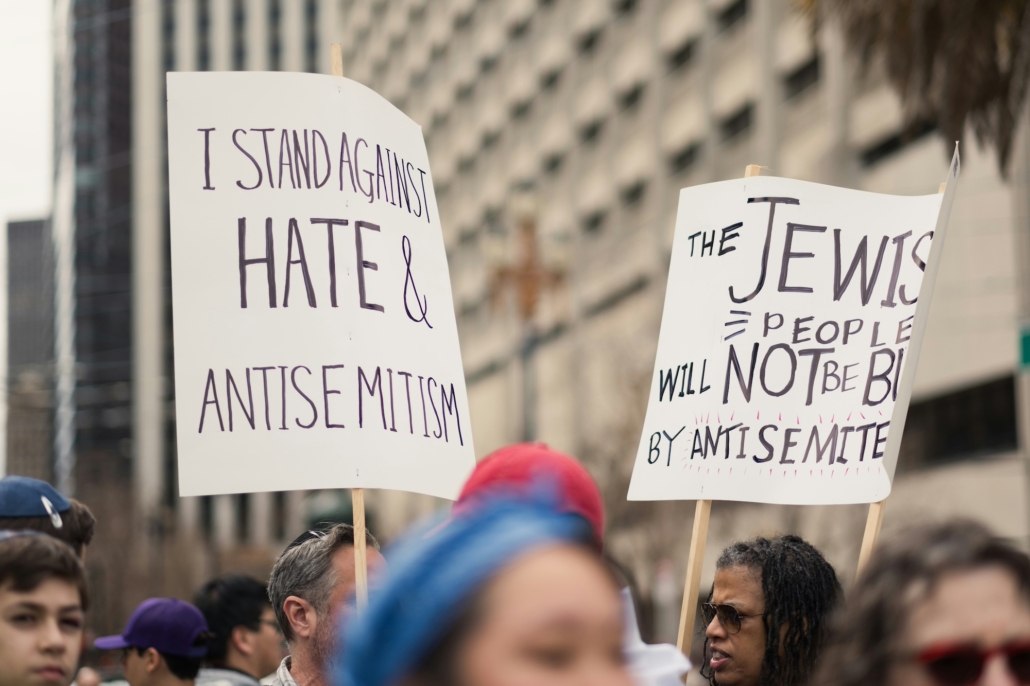
This project considers the relative absence of antisemitism faced by rural and small town Jewish settlers in the American West between the 1880s and the 1930s, where finding aids from archives related to Jewish life in early twentieth-century Arizona, Texas, New Mexcio and Oklahoma point to the possibility of more numerous Antisemitic incidents.
Circulating Conspiracy: The Invocation of Antisemitic Canards in Anti-Muslim Prejudice
Team: Jarred Brewster, Erin Debenport, PhD
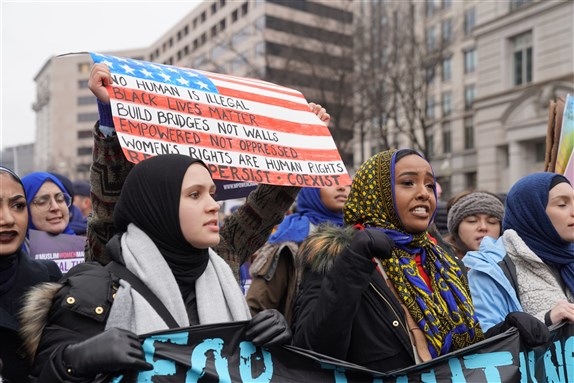
This research examines how antisemitic tropes play a critical role in producing prejudice against Shi’as and, ultimately, Muslims more broadly. It investigates how Sahwa polemicists disparage Shi’i beliefs by constructing parallels between Shi’ism and qualities ascribed to Jews in global registers of antisemitism, highlighting how hate discourse often spills over, extending prejudice beyond its original targets.
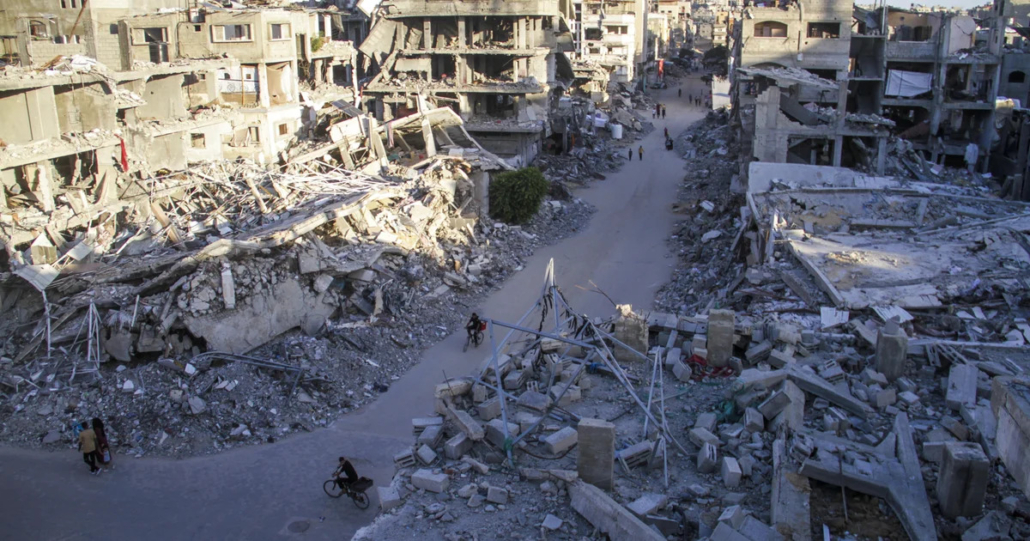
Media portrayals of the Israel-Hamas war in Gaza and Their Impact on Public Attitudes and Behavior
Team: Salma Mousa, PhD, Michelle Torres, PhD, William Marble, PhD, Ala Alrababah, PhD, Alexandra Siegel, PhD
This study examines how media portrayals of violent conflict shape public attitudes, using the Israel-Hamas war in Gaza as a case study. It examines how media outlets characterize conflicting parties and victims—particularly through humanizing language and blame attribution and explores how these textual and visual frames affect public attitudes and behavior. Ultimately, this project quantifies the media landscape surrounding Israel and Palestine and speaks to the broader role of journalism in shaping intergroup perceptions and conflict-related attitudes.

Religious Leaders’ Responses to Intergroup Hate within Their Congregations and Between Faith Communities
Team: Shreya Sundar, Mona Zahir
The proposed study aims to identify how grassroots religious leaders, such as rabbis, imams, and Christian leaders, respond to Antisemitism, Islamophobia, anti-Arab hate, and intergroup hate within their congregations and between faith communities.
Spring 2026

Partners Against Hate: Arab Graphic Satire Responding to Antisemitism Across Wartime Middle East and North Africa
Team: Aomar Boum
This project examines how Arab intellectuals and artists in the 1930s–40s used cartoons, comics, and illustrated satire in newspapers and magazines to critique fascist racial ideologies and educate audiences across the Arab world about the dangers of Nazism, racism, and colonial authoritarianism.

Comparing Interventions to Reduce Hostility toward Jewish and Muslim Americans
Team: Je Hoon Chae & Tim Groeling
This study uses a large-scale experiment to test when fact-checking and related interventions can effectively reduce antisemitic and Islamophobic attitudes, identifying the conditions under which corrections succeed or fail in polarized information environments.
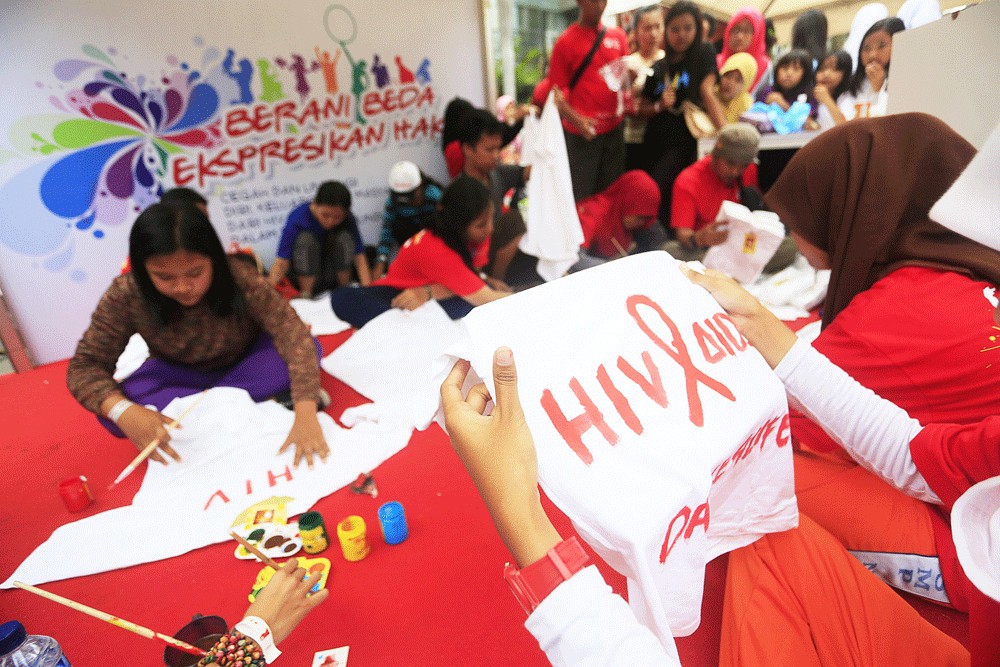
Cultural and Religious Roots of HIV Stigma in Indonesia: The Impact of Muslim Doctrine and Internalized Islamophobia on Treatment Engagement
Team: Wei-Ti Chen
Through interviews and focus groups in Indonesia, this project investigates how religious and social stigma shape the experiences of people living with HIV and informs the development of a culturally grounded intervention rooted in Islamic principles of compassion and care.

Can Social Movements Foster Inclusion?
Team: Shreyes Jayaram & Dan Posner
This project uses a survey experiment in India to test whether exposure to mass demonstrations promoting intergroup unity can reduce Islamophobic attitudes and decrease individuals’ willingness to participate in intergroup violence.

Language Models and Public Perceptions of Antisemitism and Islamophobia
Team: Pavel Savgira & Homa Hosseinmardi
This study analyzes how large language models summarize and frame news about Israel and Palestine and examines how those summaries influence public perceptions of antisemitism and Islamophobia.

Initiative to Study Hate
1500 Public Affairs Building
337 Charles E Young Dr E
Los Angeles, CA 90095