
Abstract
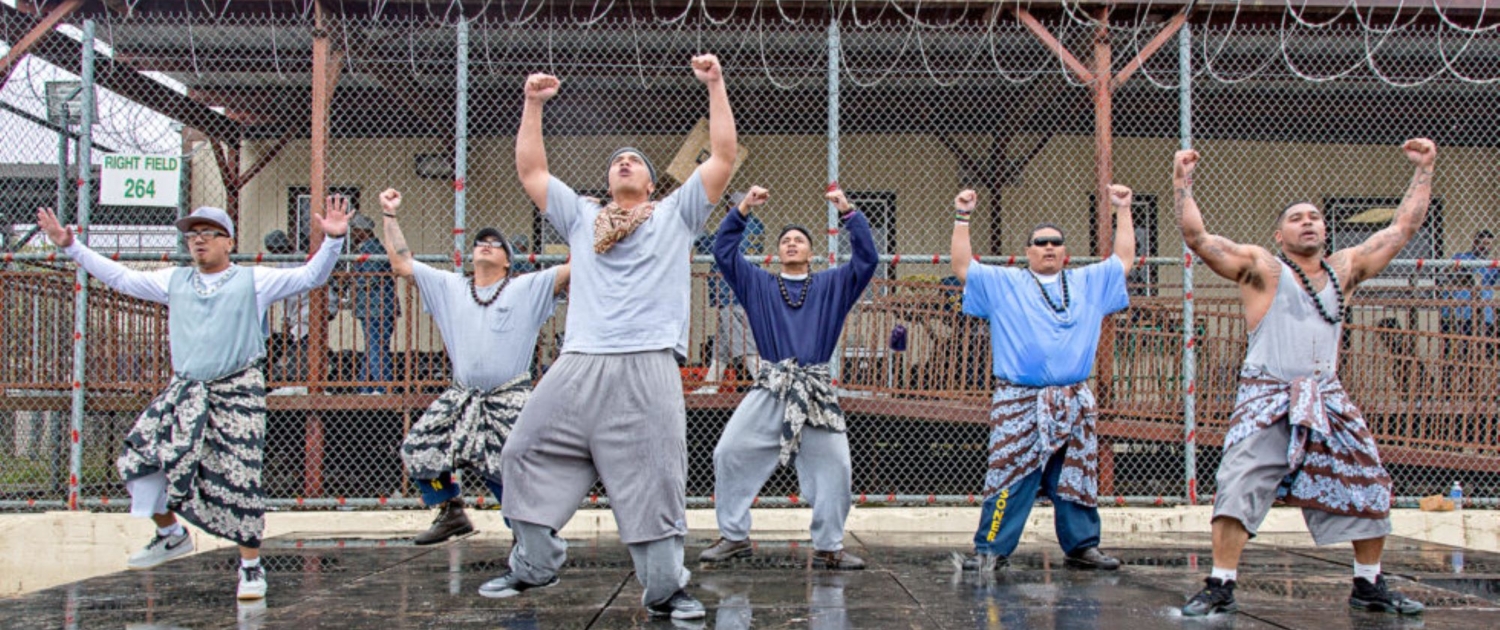
Indigenous men are overrepresented in prison, where they endure hate, violence, and death. While hate, violence, and death in prisons are complex problems, many Native American and Native Hawaiian experts who are currently or formerly imprisoned advocate for Native dance and ceremony as antidotes to these issues. Native Americans and Native Hawaiians have inherent sovereignty as members of Indigenous nations and have faced similar challenges given ongoing US colonization, including the US government legally prohibiting their dances and ceremonies. Based on interviews and surveys with Native American and Native Hawaiian experts, this project will delineate the histories, meanings, and intersections of Native American and Native Hawaiian dances and ceremonies in carceral facilities and illuminate how Indigenous people today are working to transform the US prison system through kindness and compassion. The outcomes for this project are an academic book, editorials that will be published in newspapers in South Dakota and Hawaii, and a dance performance at the South Dakota State Penitentiary for Native American men who are imprisoned, which illuminates the research findings. The act of creating and sharing such a dance also integrates compassion and kindness into the research design by enacting reciprocity with people who are incarcerated.