
From Limbo to Belonging: Evaluating Kindness, Trust-Building, and Social Cohesion Interventions Among Displaced Myanmar Women in Thailand
Wei-Ti Chen, Yuka Imai
Abstract
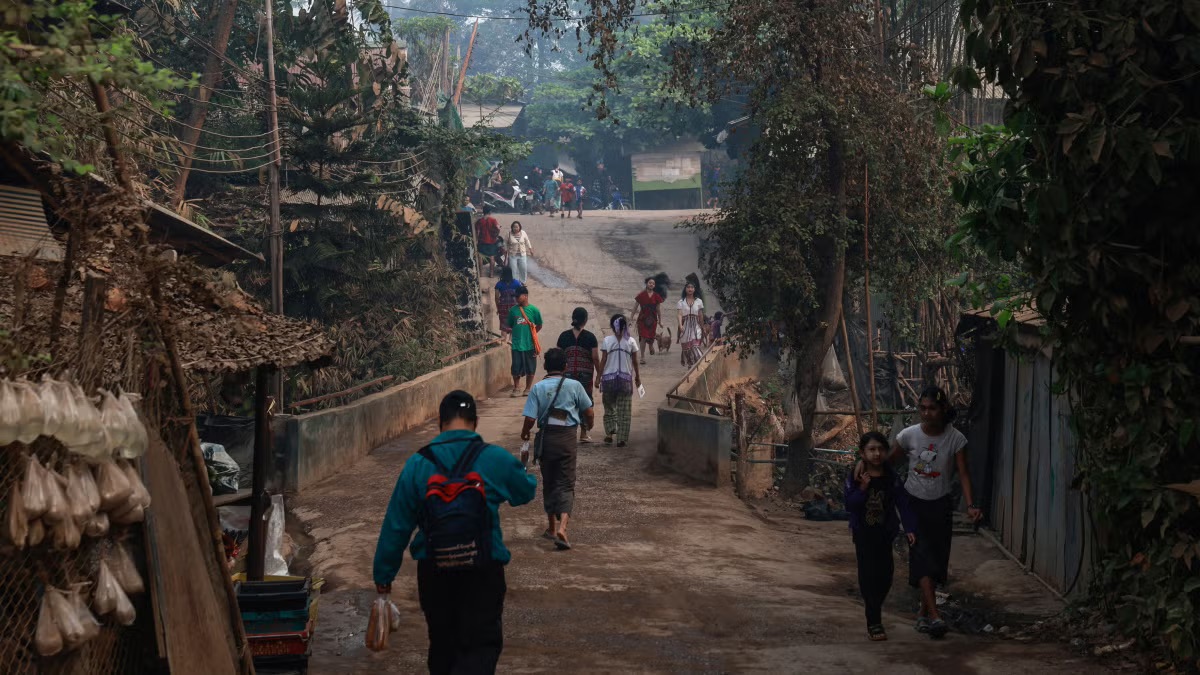
Displaced populations often experience prolonged uncertainty, social exclusion, fractured trust, and diminished opportunities for positive social engagement. While community organizations serving refugees and migrants implement psychosocial support programs, peer support networks, mutual aid activities, and community-building initiatives intended to foster kindness, trust, and social cohesion, how participants experience these interventions or which components are perceived as most effective are understudied. This gap limits the ability of organizations to strengthen programs designed to reduce social fragmentation and promote resilience. Building on an ongoing project of Myanmar women displaced to Mae Sot, Thailand, this study will explore how community-based kindness and trust-building interventions influence participants’ experiences of belonging, social trust, constructive engagement across differences, and wellbeing. Using in-depth qualitative interviews with 30 displaced Myanmar women who have participated in community-based support programs, the project will examine perceived pathways through which interventions foster compassion, inclusion, and community connection while mitigating experiences of mistrust, exclusion, and social isolation. Findings will identify intervention components most strongly associated with positive social outcomes and generate community-informed recommendations for strengthening kindness-based programming. Results will provide actionable evidence for community organizations, practitioners, and policymakers seeking to promote social cohesion, resilience, and well-being among populations affected by displacement and political conflict.
Field
School of Nursing
Extramural Partners
Mae Tao Clinic, SAW Foundation (Social Action for Women Foundation), Glocal Action
Team

Wei-Ti Chen, RN, CNM, PhD, FAAN, is Professor and Lulu Wolf Hassenplug Chair in Nursing
at the UCLA School of Nursing. A certified nurse-midwife and nurse scientist, Dr. Chen has
dedicated more than two decades to improving health and quality of life among underserved and
marginalized populations, including people living with HIV, Asian communities, refugees and
migrants, and individuals experiencing homelessness and housing instability.
Her research spans the United States and Asia, with a focus on stigma, treatment adherence,
mental health and psychosocial well-being, healthcare access, and the social and structural
conditions that shape health. Her refugee health research along the Myanmar–Thailand border
examines the experiences of people displaced by political conflict, economic hardship, and the
COVID-19 pandemic, including barriers to healthcare, mental health challenges, discrimination,
and unmet social needs. Her ongoing work also explores resilience, mental health, and human
rights among Myanmar refugee women living in Thailand.
Dr. Chen has published more than 150 empirical studies using qualitative and quantitative
approaches that center the voices and lived experiences of communities facing social and
structural vulnerabilities. Across her work, she seeks to translate these experiences into
compassionate, culturally responsive, and person-centered interventions that reduce stigma,
strengthen access to care, and promote dignity, resilience, and well

Initiative to Study Hate
1500 Public Affairs Building
337 Charles E Young Dr E
Los Angeles, CA 90095